A classic about conflict. A careful reading of decisions.
All thirteen chapters: original Chinese, independent English renderings, modern Chinese explanations, and illustrated commentary. Begin at the beginning.
13 CHAPTERS AVAILABLEREAD THE TEXT. FOLLOW THE REASONING.
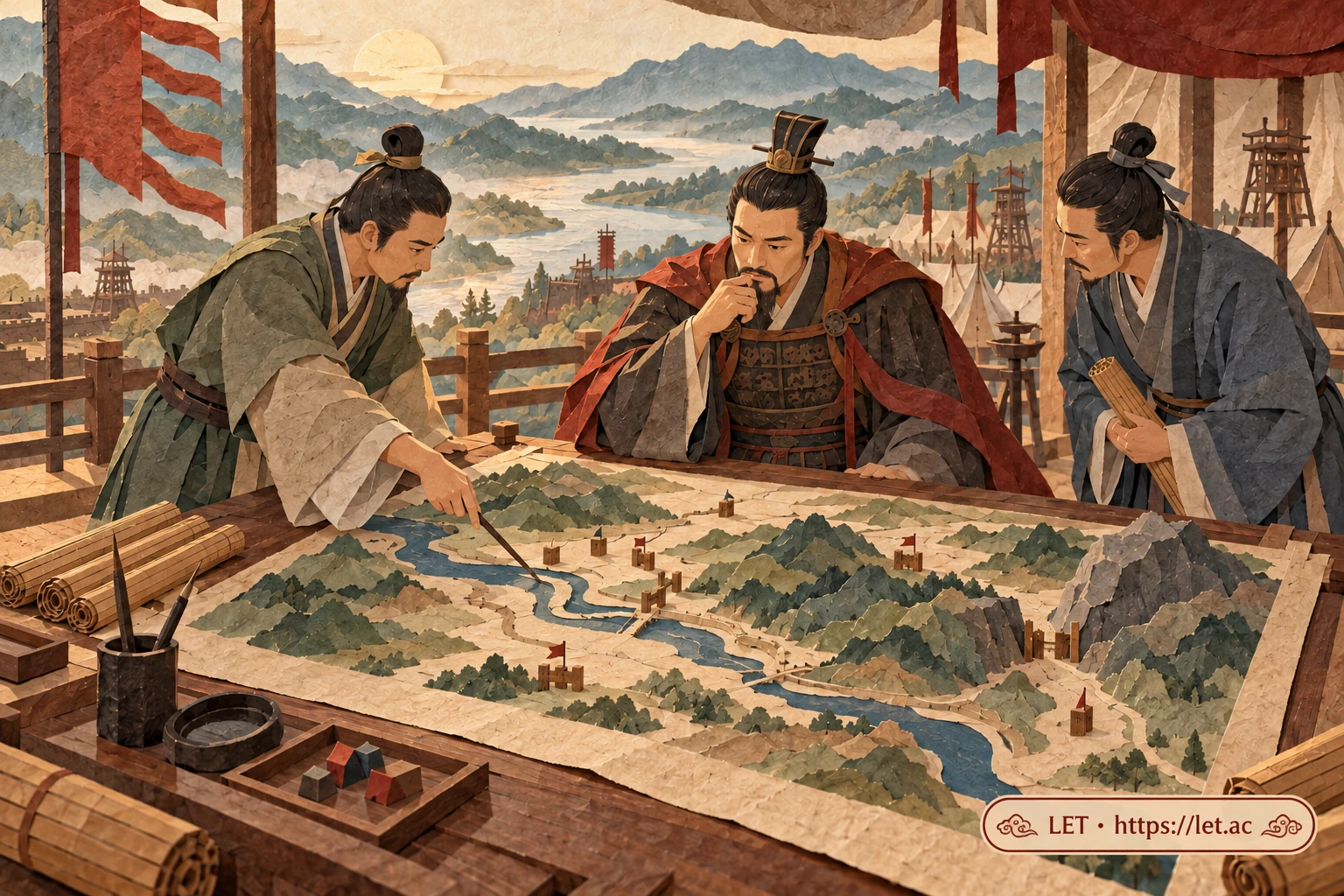
Sun Tzu opens with the stakes of war, then asks what makes a plan sound: shared purpose, conditions, leadership, organization, and honest comparison. Read the complete first chapter with an original English rendering, modern Chinese, and a practical example.
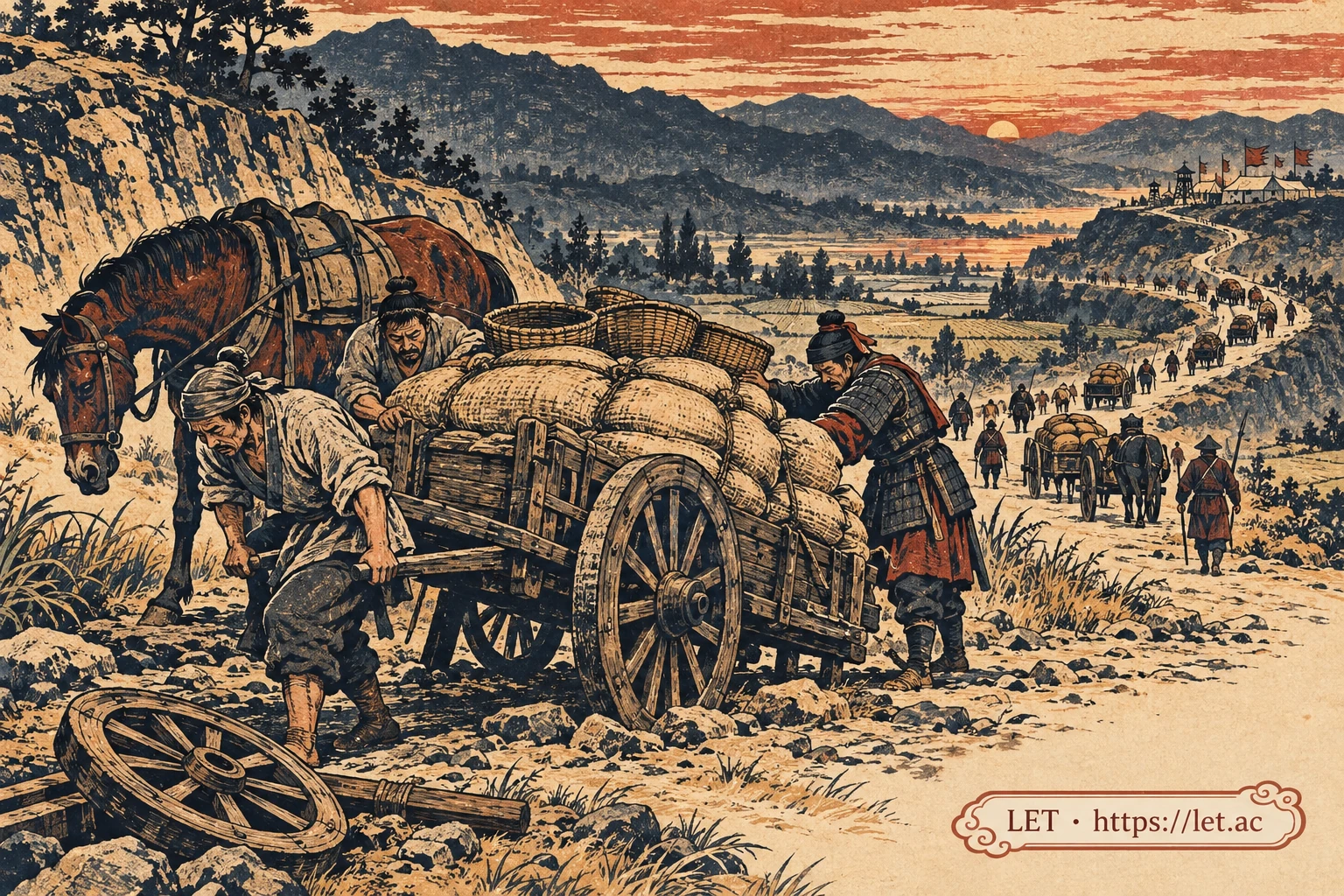
Sun Tzu turns from planning to the cost of action: supplies, transport, exhausted people, and the danger of a campaign that never ends. Read the complete second chapter with an independent English rendering, modern Chinese, bilingual commentary, and a fictional archive project that learns to finish.
Sun Tzu asks whether an objective can be achieved while preserving people and capacity. The chapter ranks plans, alliances, battle, and siege, then examines relative strength, command, and knowing both sides. Read the complete text with independent English, modern Chinese, bilingual commentary, and a fictional example about sharing a community space.
Sun Tzu asks how a force can prepare for security, recognize an opportunity, and enter battle with its advantages already established. This complete fourth chapter explores quiet competence, measured readiness, and the difference between preparing conditions and commanding an outcome, with bilingual readings and a fictional library move.
Sun Tzu examines how organization, signals, changing methods, and the timing of action give a force its momentum. Read the complete fifth chapter with an independent English rendering, modern Chinese, bilingual commentary, and a fictional community festival that combines a dependable routine with practical adjustments.
Sun Tzu examines initiative, concealment, concentration, timing, and a force's changing relationship with its opponent. The chapter ends with water finding its course through the terrain. Read the complete sixth chapter with independent English, modern Chinese, bilingual commentary, and a fictional exhibition that responds to visitors and its venue.
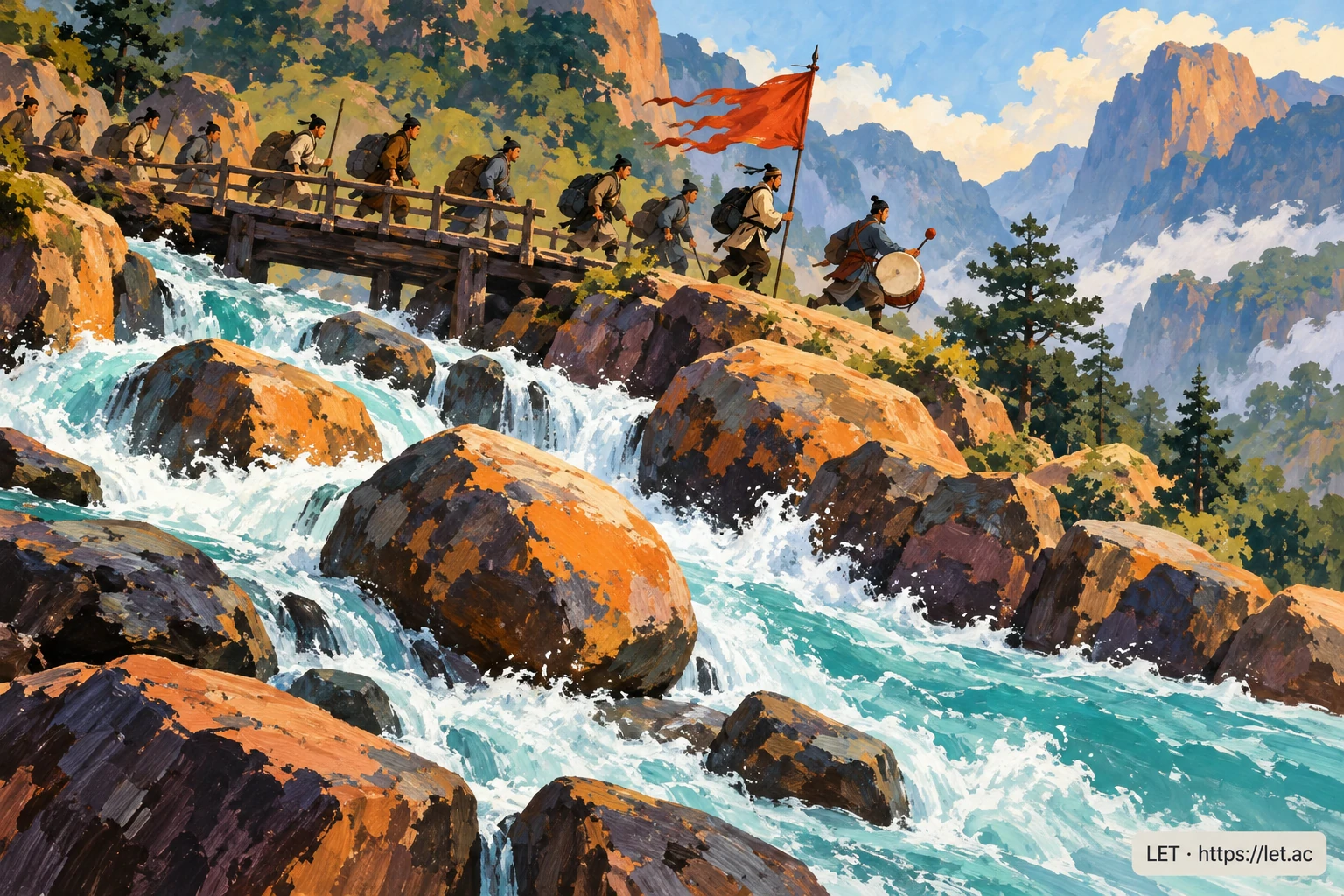
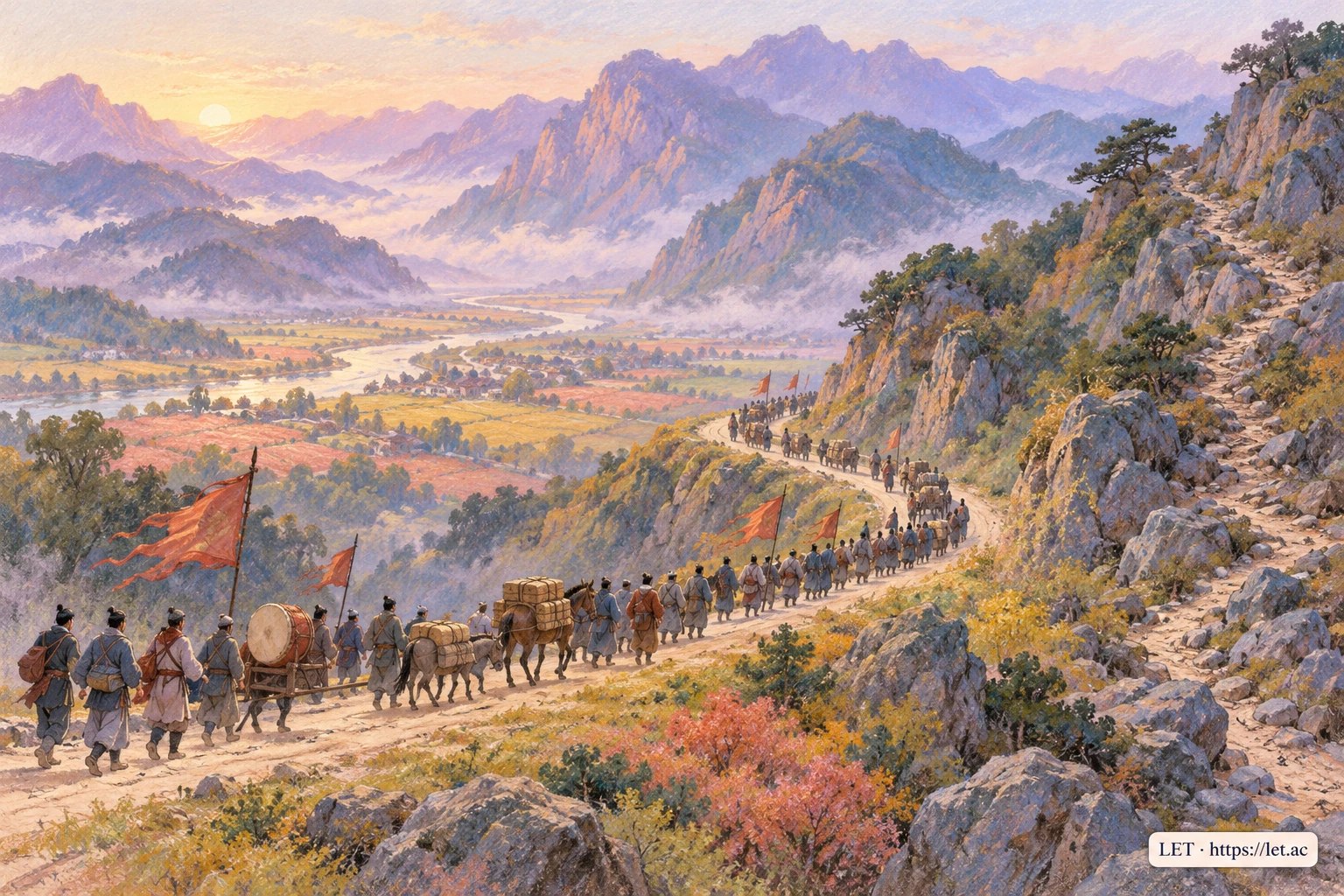
Sun Tzu examines the difficulty of gaining an advantage while moving: indirect routes, the cost of forced speed, supplies, shared signals, and changing morale. Read the complete seventh chapter with independent English, modern Chinese, bilingual commentary, and a fictional community walk that learns to move as a group.
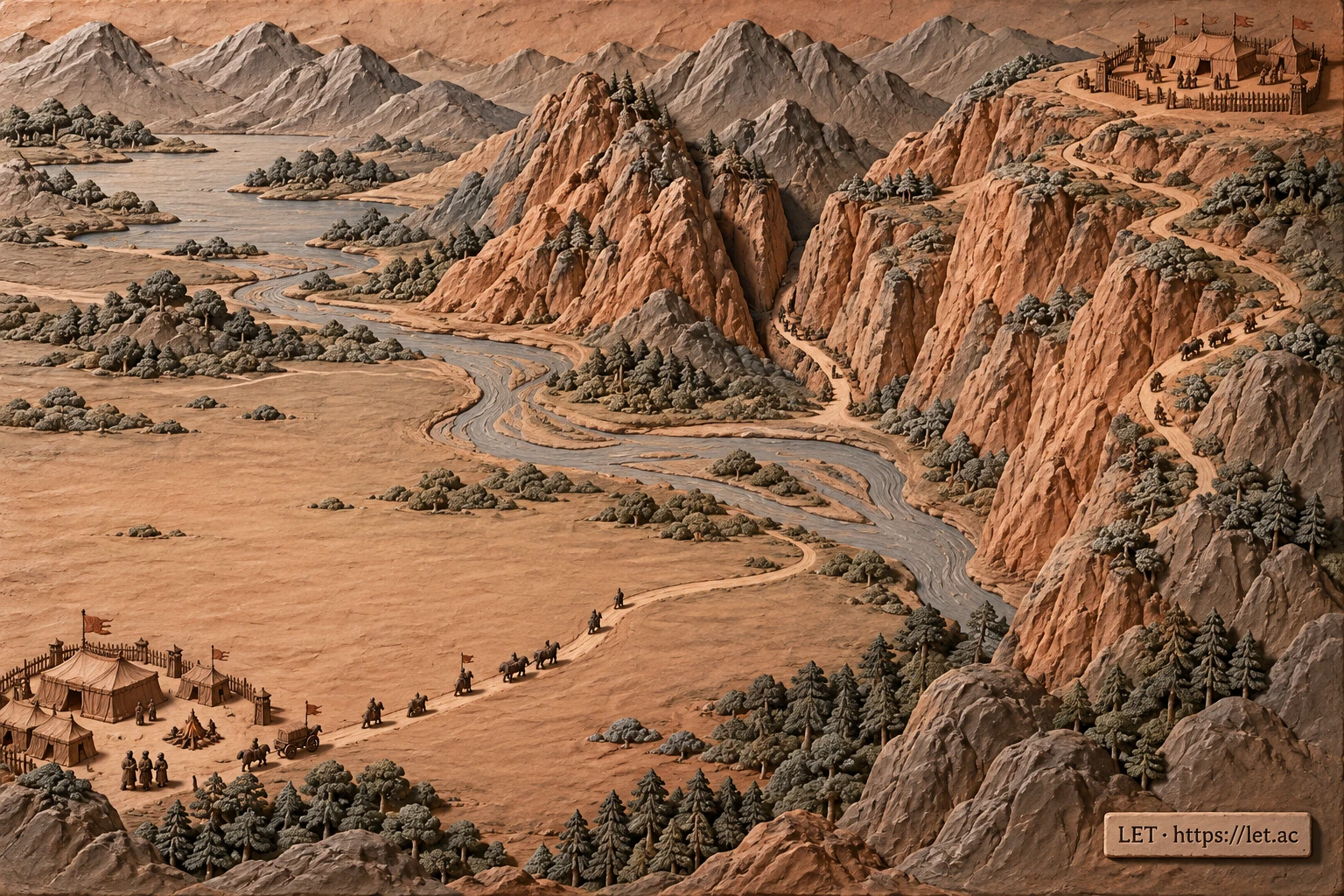
Sun Tzu considers how a commander adapts to terrain, declines an unsuitable action, weighs advantage together with harm, and examines five dangers of rigid judgment. Read the complete eighth chapter with an independent English rendering, modern Chinese, bilingual commentary, and a fictional outdoor music event with agreed conditions for changing its plan.
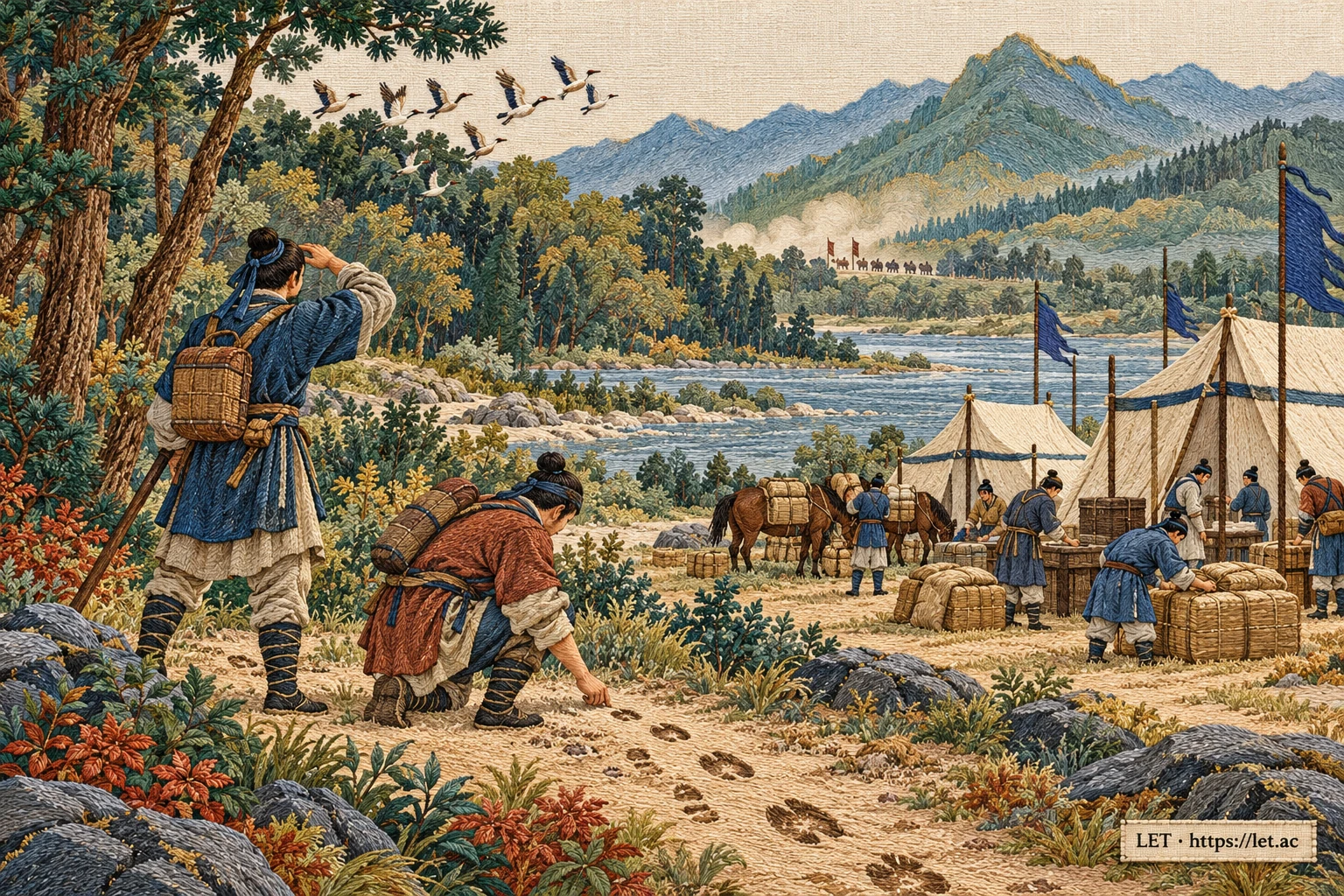
Sun Tzu joins positioning an army with assessing an opponent: mountains, water, difficult ground, visible signs, material strain, and the relationship between trust and discipline. Read the complete ninth chapter with independent English, modern Chinese, bilingual commentary, and a fictional cultural exhibition team that checks what it observes.
Sun Tzu distinguishes six kinds of terrain and six failures within an army, then joins command responsibility, care, discipline, and knowledge of the conditions. Read the complete tenth chapter with independent English, modern Chinese, bilingual commentary, and a fictional theatre troupe comparing borrowed venues with its actual preparations.
Sun Tzu's longest chapter classifies nine military situations, then examines supply, mutual support, command, secrecy, and the coercive use of danger. Read the complete eleventh chapter with independent English, modern Chinese, bilingual commentary, and a fictional touring exhibition that responds to changing conditions through open information and agreed choices.
Sun Tzu describes fire as an instrument of war, then turns to the purpose of action, recognition of achievement, and restraint in anger. The chapter closes with what cannot be restored after a state is lost or a person dies. Read the complete twelfth chapter with bilingual interpretations and a fictional community mural decision.
Sun Tzu ends with the cost of ignorance and the human sources of knowledge. The chapter defines five kinds of agents, links trust with reward and secrecy, and retains a harsh system of deception and death. Read the complete text with independent English, modern Chinese, bilingual commentary, and a fictional oral-history team that verifies information through consent and open records.