LET中国

A NOVEL. A PILGRIMAGE. A WORLD OF STORIES.

Journey to
the West.

西游记

Follow the Monkey King, meet the pilgrims, and discover what lies beyond the next mountain.

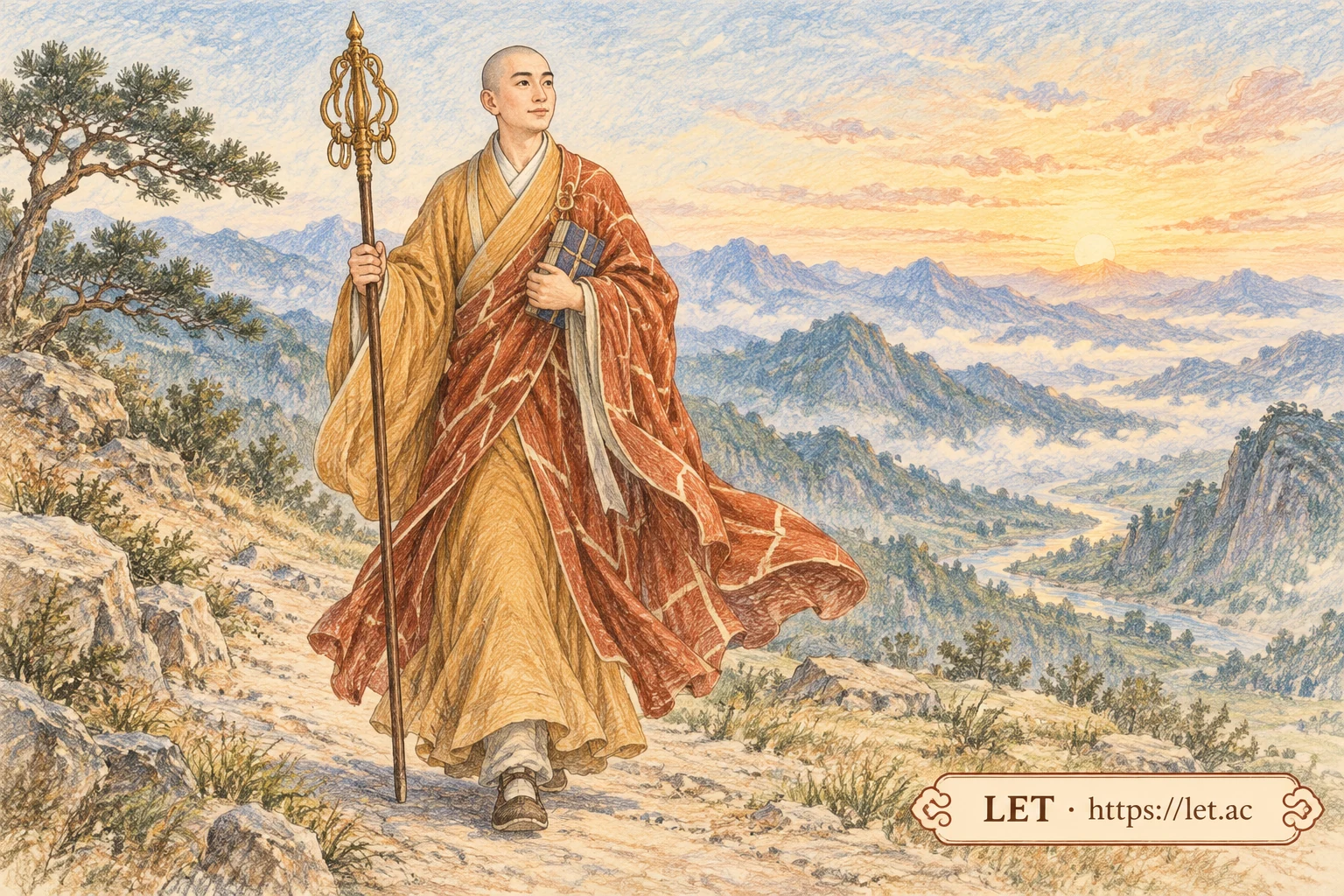
An imagined landscape · An original LET.AC illustration
12Selected story stops
100Chapters in the novel
81Trials in its narrative reckoning

START HERE

What is Journey to the West about?

A Buddhist monk travels west to obtain scriptures, accompanied by extraordinary protectors. Their encounters turn a pilgrimage into a story of trust, appetite, discipline, deception, and transformation. Start with one episode; you do not need to have read the book.

This explorer follows the Chinese novel. Tang Sanzang is a literary character inspired by the historical monk Xuanzang. Magical battles and invented kingdoms belong to the novel, and modern films or games may tell them differently. Browse the Chinese original ↗

FOLLOW YOUR CURIOSITY

An interactive story map

12 selected episodes · Not the complete route
Story map schematicNot to scale Follow story order

An illustrated route through the novel. These positions show reading order, not coordinates or Xuanzang’s historical route.

Selected stop 01 / 12Fictional setting

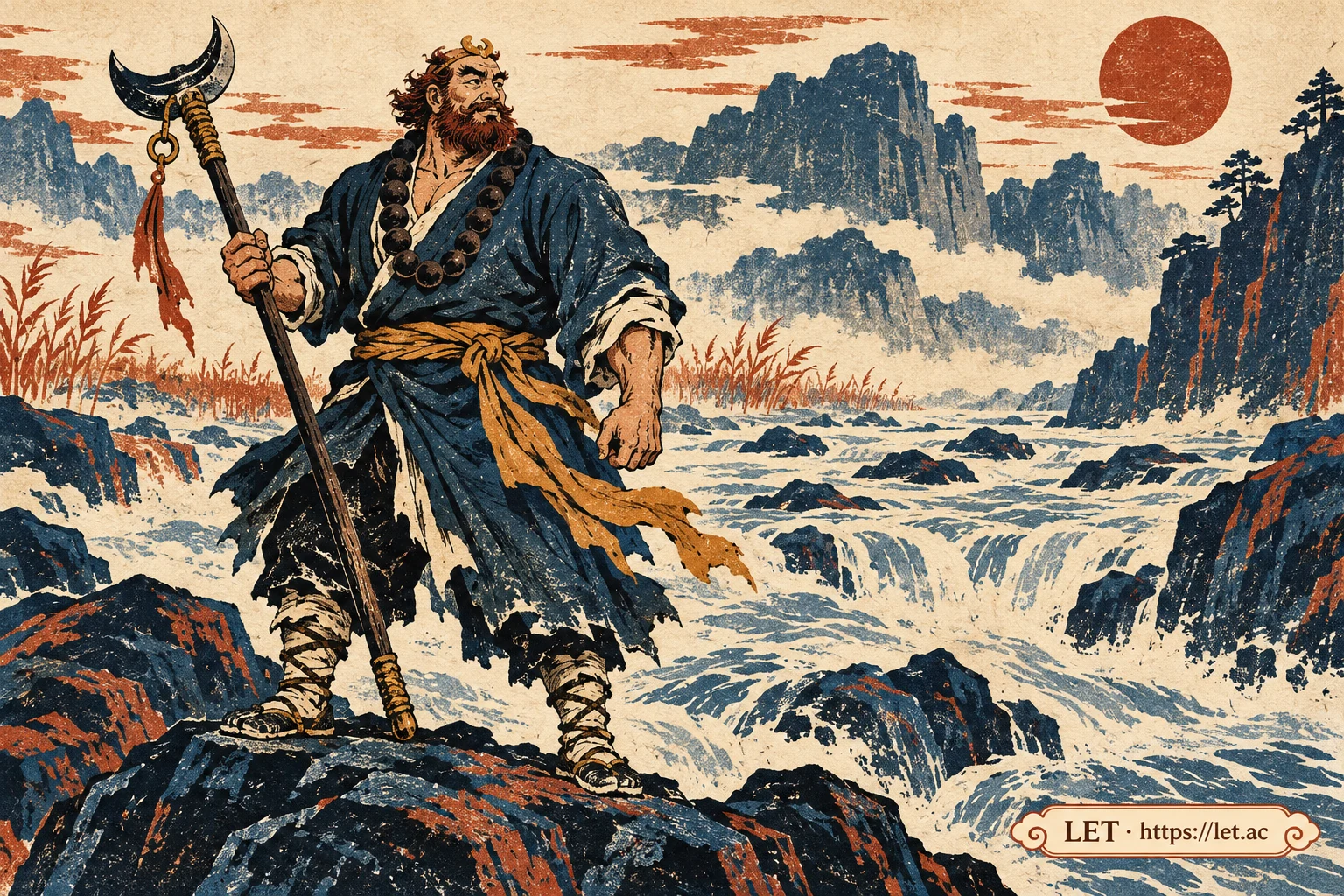
Freeing the Monkey King

两界山收悟空

A voice beneath a mountain calls to the pilgrim. Tang Sanzang finds an unlikely protector whose extraordinary strength comes with an equally difficult temper.

About this place. This is the novel's mountain of confinement, also called Five-Phases Mountain. Its position here shows story order, without identifying a site on historical Xuanzang's route.

Original chapter 14

Ledger trials 8

Enter this story

Follow the stories

Choose a stop, or go straight to an episode.

  1. Read
  2. Read
  3. Read
  4. Read
  5. Read
  6. Read
  7. Read
  8. Read
  9. Read
  10. Read
  11. Read
  12. Read

FICTION & REAL GEOGRAPHY

A story route is not a historical itinerary.

Novel setting

Mountains, kingdoms & magical rivers

The route above is a schematic arrangement of selected events. Its positions are editorial diagram coordinates. A fictional location has no asserted modern coordinate, and a familiar place name does not establish a historical identification.
Real geography

Chang’an / present-day Xi’an

Xuanzang’s historical journey and translation work provide a real context. The Big Wild Goose Pagoda in Xi’an is associated with Buddhist texts he brought from India. These facts do not prove where the novel’s magical episodes occurred.

UNESCO nomination document · p. 86 ↗

FIRST TIME HERE? START WITH A STORY.

Twelve stops. Many ways to discover.

Browse by original chapter ↗

STOP 01 · CH. 14

Freeing the Monkey King

两界山收悟空

A voice beneath a mountain calls to the pilgrim. Tang Sanzang finds an unlikely protector whose extraordinary strength comes with an equally difficult temper.

Read the story

STOP 03 · CH. 16, 17

The Stolen Cassock

失窃的锦襕袈裟

A precious Buddhist robe turns hospitality into envy. An attempted theft by fire leads Wukong from a monastery to a surprisingly formidable bear spirit.

Read the story

STOP 04 · CH. 18, 19

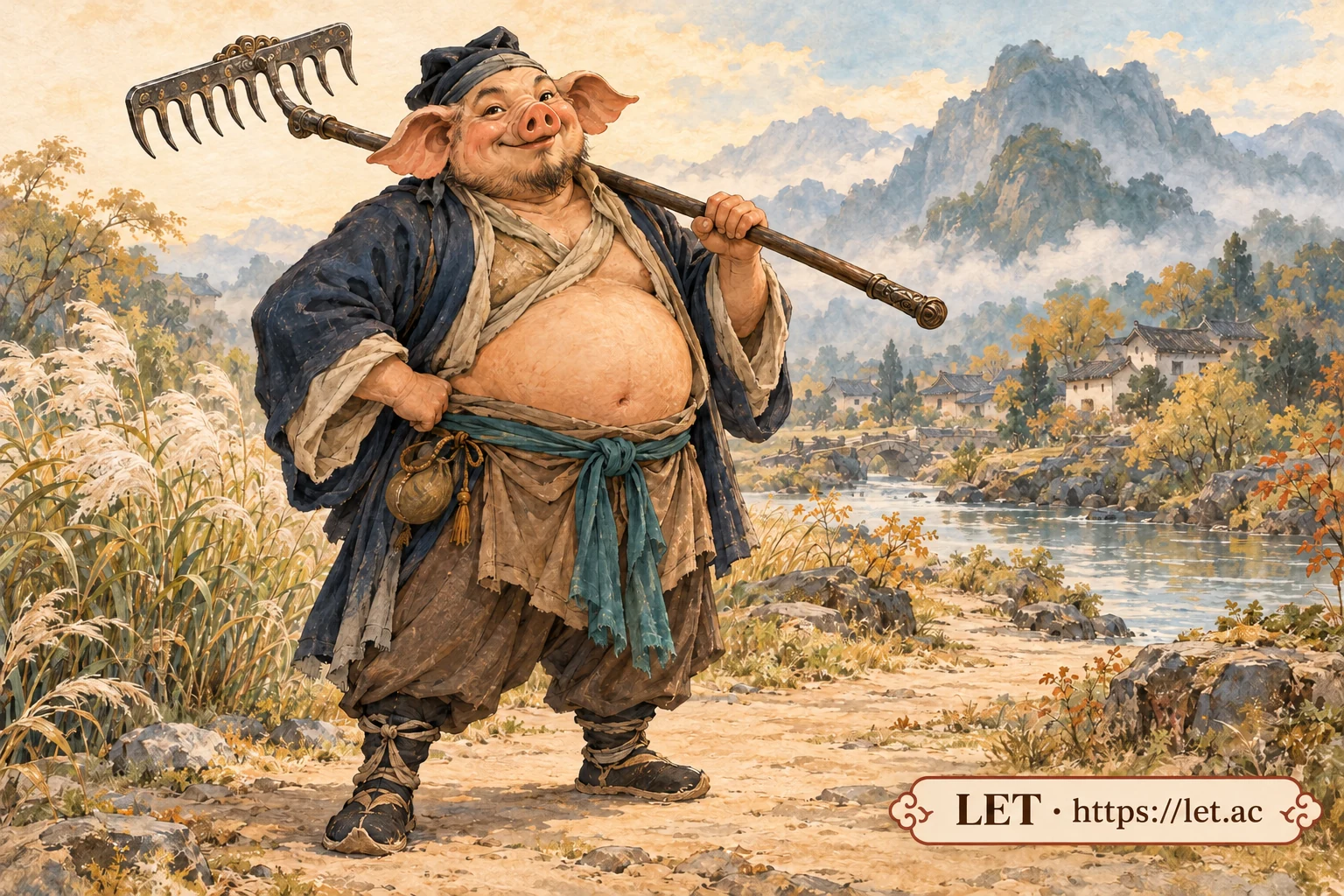
Pigsy Joins the Pilgrimage

高老庄收八戒

A household asks Wukong to remove a troublesome pig-faced son-in-law. The confrontation uncovers a disgraced heavenly officer with a place in the pilgrimage.

Read the story

STOP 06 · CH. 24, 25, 26

The Ginseng-Fruit Tree

五庄观人参果

Fruit shaped like tiny infants unsettles the pilgrim and tempts his disciples. A secret snack becomes a much larger problem when Wukong loses his temper.

Read the story

STOP 10 · CH. 56, 57, 58

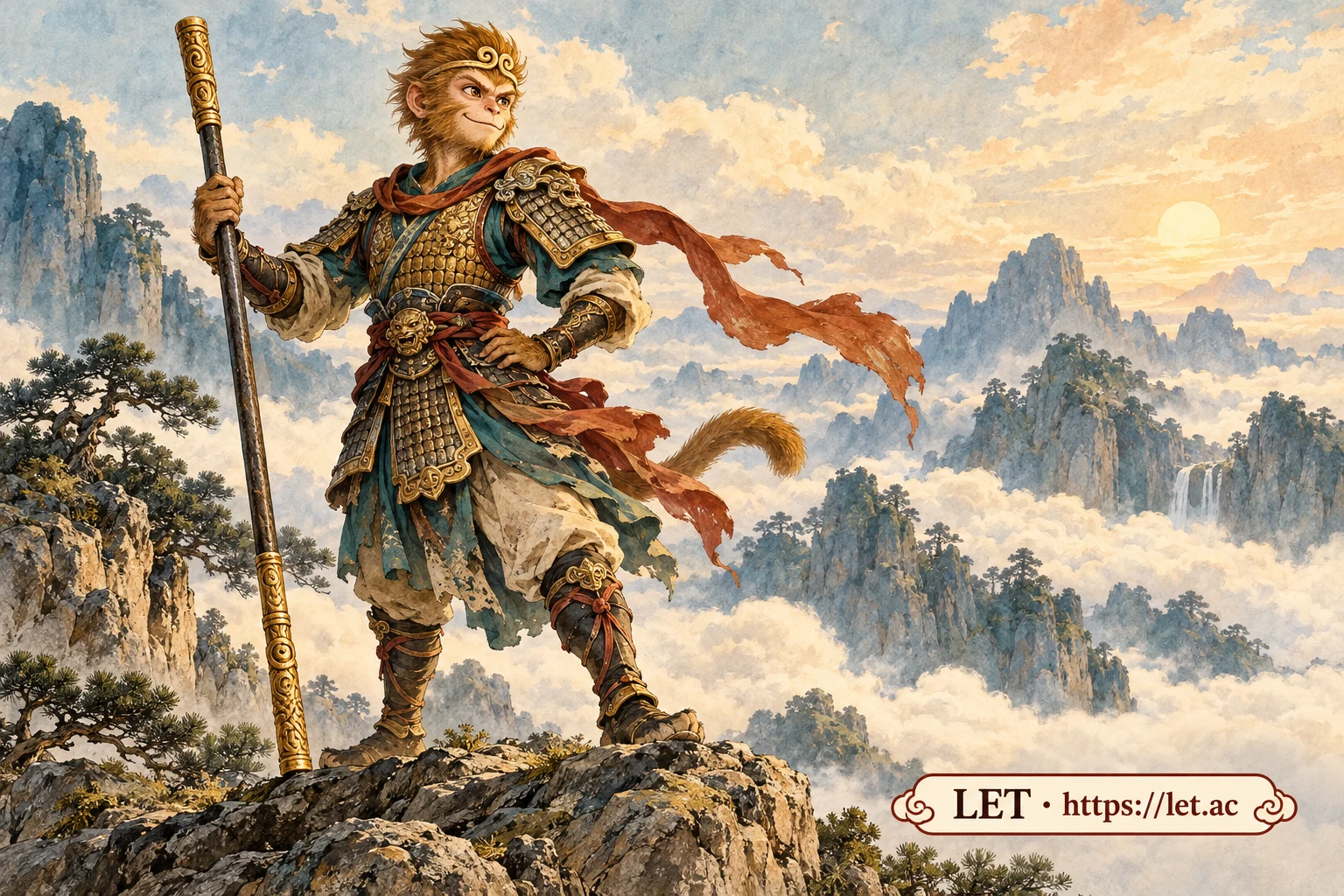
The Two Monkey Kings

真假美猴王

Two indistinguishable Wukongs claim the same identity. The pilgrims, heavenly officials, and even magical tests struggle to decide which voice they can trust.

Read the story

THE PEOPLE BEHIND THE ADVENTURE

Meet the pilgrims & their encounters.

All 10 characters ↗

THE NUMBER IS PART OF THE STORY

Why eighty-one trials?

Chapter 99 lists eighty ordeals, then narrates one more on the return journey. Some belong to earlier life, and a single episode can account for several trials. The list is a narrative reckoning, not eighty-one independent chapters.

Open the trial ledger